Design for the room, not the equipment
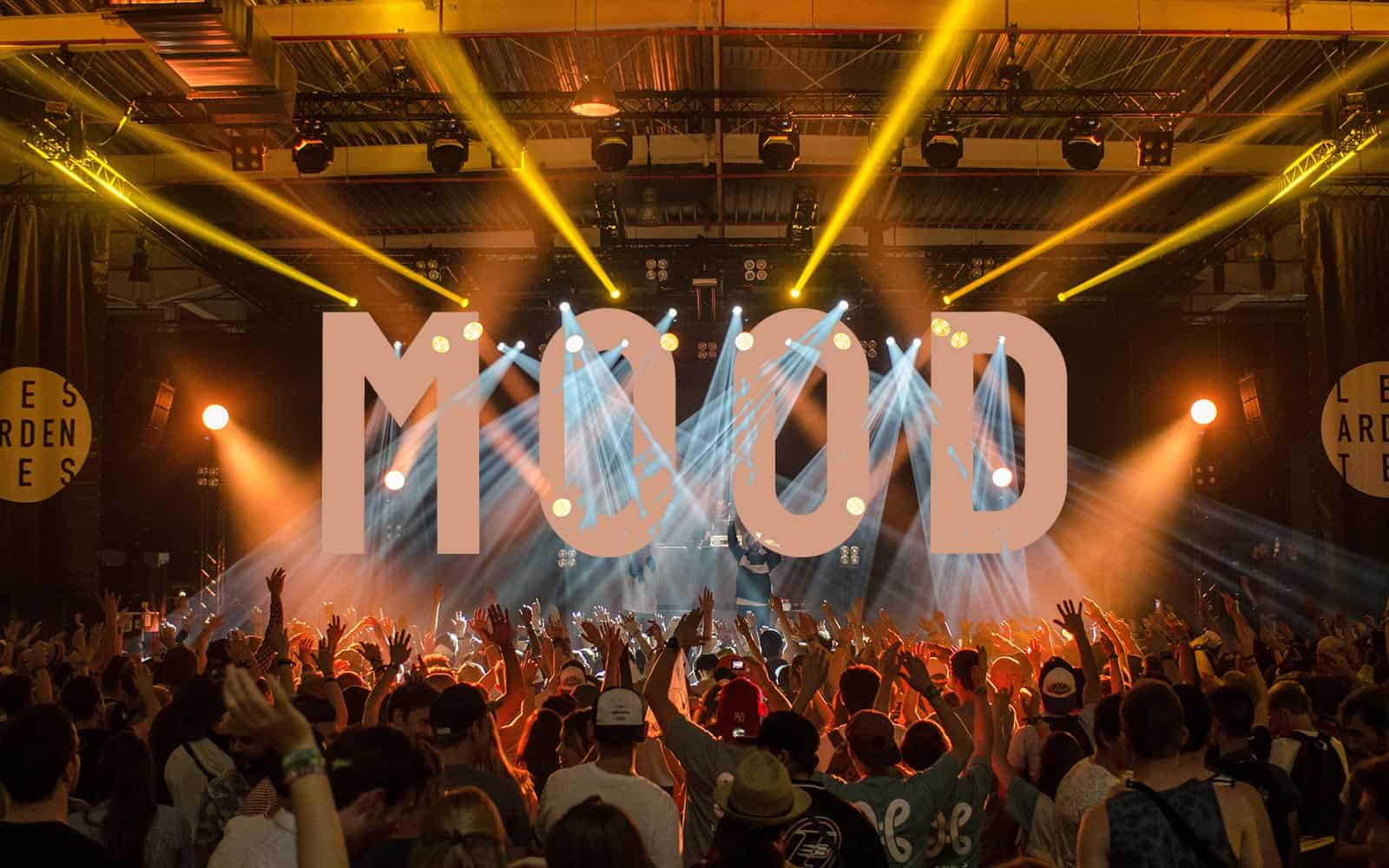
Lighting is most effective when it supports the architecture, the programme and the atmosphere you want. Visit the venue at a similar time of day if possible. Check the colour of the walls, ceiling height, existing fixtures, windows and the position of the stage or dance floor. A lighting plan for a bright afternoon reception is different from one for a dark ballroom.
Use uplighting to establish the mood
Uplighting places light against walls or architectural details. It can make a plain room feel more defined, give a stage backdrop depth and tie a venue to your colour palette. Choose colours that complement the room rather than fight it. Keep strong colour away from faces during speeches and formal portraits, unless that look is a deliberate creative choice.
Give important details their own light
Pinspots are narrow beams that draw attention to centrepieces, cakes and other decorative elements. They are useful when ambient lighting is dimmed for dinner. Projection can introduce initials or a company logo onto an appropriate wall or floor. Check the projection surface, ambient brightness and viewing angle in advance, because these determine whether the design will be readable.
Change the lighting with the programme
A reception can begin with calm, warm light before moving towards a more dynamic dance floor. Let the lighting operator know when speeches, entrances, performances and important photographic moments are scheduled. Avoid aggressive movement or flashing effects during quiet moments, and discuss accessibility requirements with your guests and venue.
Coordinate with photography and video
Your photographer and videographer need enough consistent light to capture faces and movement. Discuss key lighting for the stage, speeches and first dance together. Ask the venue about rigging permissions, power and equipment placement. Music Masters Rock can discuss uplighting, pinspots, projection and dance floor lighting as part of an event production enquiry.